Cabinet Staining vs Replacing: What Makes Sense for Your Kitchen
If your cabinet boxes are sound, a new finish can change the whole room for a fraction of the cost of tearing them out.
October 6, 2026 · 3 min read
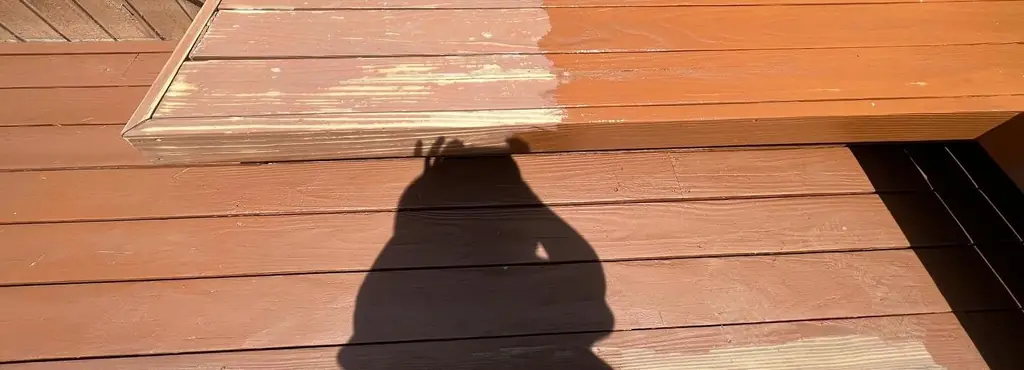
Dated cabinets can make a kitchen feel older than it is. The reflex is to rip them out and start over, but that is a big, expensive, messy project. In a lot of homes the cabinets themselves are fine, and what is tired is the finish. That is where staining comes in.
The cost question
Cabinet staining typically costs 60-80% less than full replacement while delivering a dramatic visual change. You keep the boxes, the doors and the layout, and you replace the thing your eye actually notices, which is the color and the sheen. You also skip the demolition, the new countertop fitting that often comes with new cabinets, and the weeks without a working kitchen.
How long does it take? A typical kitchen cabinet staining project takes 5-10 days, depending on the number of cabinets and the complexity of the job. A kitchen with a lot of doors, drawers and built-ins takes longer than a small galley kitchen, and the drying time between coats is part of that number.
When staining is a good fit
In most cases, yes, older cabinets can be updated with stain. Solid wood cabinets and many wood veneer cabinets can be successfully stained. Staining shows the grain, so it suits cabinets made of real wood that you actually like the look of.
- The cabinet boxes are solid and the doors close properly.
- You like the layout and storage you already have.
- The wood itself is in good shape, with the finish being the problem rather than the structure.
- You want to keep the natural grain visible rather than cover it.
- You would rather not live through a full kitchen demolition.
When replacement is the better answer
Staining is not always the right call, and we would rather tell you that up front. If the layout does not work for how you cook and live, a refinish will not fix it. If the boxes have water damage, are swollen or are coming apart, a new finish only covers the problem. And if you want a color much lighter than the wood you have, stain is a limited tool, because stain works with the wood color rather than hiding it. Going darker or staying close to the current tone is easy. Going dramatically lighter is not.
What the process looks like
The finish is only as good as the steps behind it. Kitchen cabinets collect cooking grease and hand oils over years, and stain will not take evenly over any of it. This is how a cabinet staining job goes from start to finish:
- Assessment and planning, so we know what the wood is and what the finish needs.
- Door and drawer removal, so every surface is reachable and nothing gets painted shut.
- Thorough cleaning and degreasing to remove built-up kitchen film.
- Sanding and surface preparation so the stain goes on evenly.
- Stain application, with multiple coats where the color needs depth.
- A protective topcoat, because kitchen cabinets get handled, splashed and wiped constantly.
- Hardware reinstallation, final inspection and cleanup.
Each step matters. Skip the degreasing and the stain sits on grease. Skip the topcoat and the finish wears off around the handles within a short time. The protective topcoat is what lets the cabinets handle daily kitchen life.
Beyond the kitchen
The same approach works for bathroom vanities, built-in shelving, pantry cabinets, laundry room cabinets and entertainment center built-ins. If you have a few pieces of matching wood around the house, refinishing them together gets you a consistent look for much less than replacing all of them.
A realistic way to decide
Open each cabinet. Look at the inside of the boxes, the corners and the bottom shelf under the sink. If you see solid wood or sturdy veneer and no swelling, staining is probably on the table. If you see crumbling material or damage, replacement may be the honest answer. If you cannot tell, that is a perfectly good reason to have someone look at them with you.
We offer a free on-site estimate with no obligation. We assess the cabinets, tell you plainly whether staining makes sense and give you a detailed quote. Call (509) 910-1408 or use the contact page to set up a visit. If you are also thinking about the trim and doors in the same room, our post on small paint jobs that change how a house looks may give you more ideas.
Castillo Custom Painting, (509) 910-1408
Call (509) 910-1408More articles
How Often Should You Repaint Your House Exterior in Yakima?
Our honest answer on repainting timelines in the Yakima Valley, plus the signs that tell you the paint has stopped protecting the house.
When and How to Re-Stain a Log Home, Deck or Fence
Wood stain works differently from paint, and so does the schedule for redoing it, so here is what we look for and what the work involves.